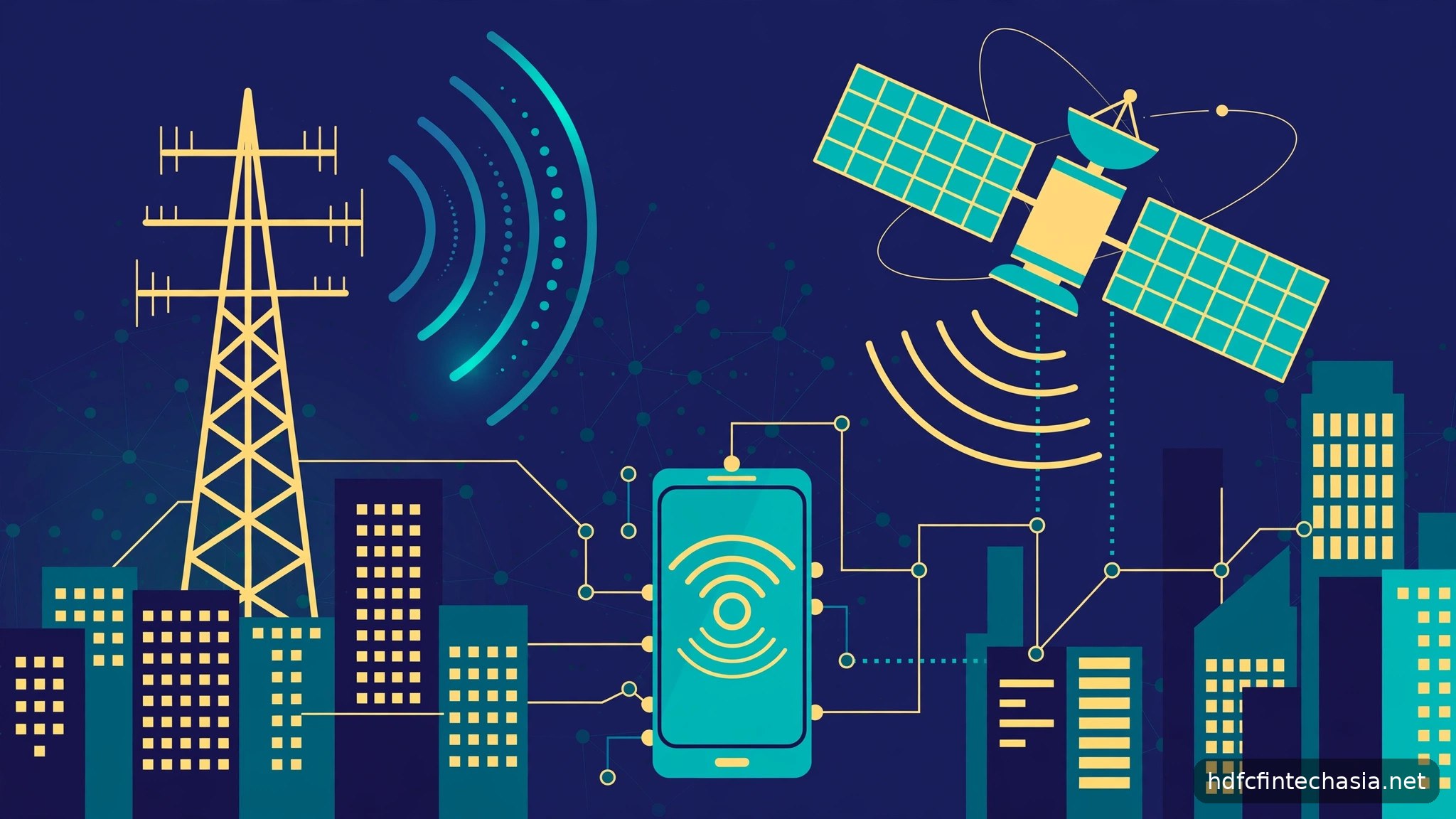
Welcome to fintechasia net telekom, your friendly guide to the networks, services and ideas that keep Asia connected. When we talk about telekom fintechasia, we mean the everyday technology behind phone calls, mobile data, home broadband and the apps that run on top of them. This is fintechasia telekom at its most useful: clear explanations, honest context and practical advice, without jargon getting in the way.
Telecom used to be a quiet utility that people only noticed when it stopped working. Today it is the backbone of banking, shopping, learning, healthcare and entertainment. A farmer checks market prices on a phone, a student joins a class from a village, a small business takes card payments over a mobile connection, and a doctor reviews test results online. None of that happens without reliable, affordable connectivity, and that is why telecom news matters far beyond the technology pages.
On this site, our Hdfc FintechAsia Net home page brings together all eight coverage areas, while this article stays focused on telecom. If you want the wider picture, start there, then explore the Telekom category for more stories in this area. You can also reach us through the Contact Us page with questions, corrections or story ideas.
What telecom really covers today
Telecom is much broader than a phone company. It includes mobile networks, fixed broadband, undersea cables, satellites, data centres, cloud services and the software that manages them all. It also includes the rules that shape competition, pricing, privacy and consumer protection. A good telecom story explains how those pieces fit together, and who benefits when they change.
For readers, the most useful questions are simple. Is my connection fast enough for what I need? Is it reliable when it matters most? Is the price fair? Is my data handled responsibly? And what is changing next? Every section below returns to those questions, because technology only matters when it improves real life.
5G, explained without the hype
5G is the fifth generation of mobile network technology, and it brings three main improvements over 4G: faster peak speeds, lower delay, and the ability to connect many more devices at once. Lower delay, often called latency, matters for video calls, online gaming, remote control of machines and other uses where a split second counts. Faster speeds help with large downloads, high-quality video and crowded places such as stadiums and stations.
That said, 5G is not magic. Your experience depends on coverage in your area, the spectrum your operator uses, the phone you own, and how busy the network is. A headline speed measured in a laboratory is not the speed you will get on a busy train. This is why we encourage readers to look at coverage maps, real-world tests and independent reviews, rather than advertising alone, before upgrading a plan or buying a new handset.
How to judge a 5G plan
Start with coverage where you actually live, work and travel. Then check data allowances, speed policies after you pass a limit, roaming terms and the total monthly cost including device payments. Ask whether the plan includes useful extras or only adds cost. Finally, test the service during any trial or cooling-off period, and keep a note of speeds at different times of day. A plan that looks excellent on paper but drops out at home is not excellent for you.
Broadband, fibre and the home connection
For many households, fixed broadband is still the workhorse. Fibre to the home generally offers the most stable speeds and the best upload performance, which matters for video calls, cloud backups and anyone who works from home. Cable and fixed wireless can be strong alternatives, especially where fibre has not yet arrived, but their performance can vary more at peak times.
When choosing broadband, look beyond the advertised download speed. Upload speed, latency, reliability, customer support and contract flexibility all affect daily life. A slightly slower plan with a responsive provider and a fair contract can be a better choice than the fastest plan with poor support. If you share a connection, count the devices and the people who use video at the same time, and choose a plan with enough headroom for busy evenings.
Digital services riding on telecom networks
Modern telecom is also about services. Mobile money, digital banking, streaming, e-commerce, online education and telehealth all depend on connectivity, and they are changing how people in Asia live and work. A reliable network lowers the cost of doing business, widens access to services, and gives small firms a chance to reach customers far beyond their neighbourhood.
At the same time, digital services raise important questions about fairness and safety. Are prices transparent? Are users protected from scams and spam? Is personal data collected only with clear consent? Good telecom reporting should cover these questions as seriously as it covers speed tests and product launches, because trust is what turns a connection into a service people rely on.
Readers who enjoy this vertical may also like our look at digital assets in FintechAsia Net Crypto Facto: Crypto Facts, Market Basics and Trends, which explains another fast-moving part of the digital economy in plain language.
What to watch next in telecom
- Wider 5G standalone coverage, which should improve reliability and open the door to new business services.
- Satellite connectivity for remote and rural areas, where building towers is difficult or expensive.
- Smarter, greener networks that use energy more efficiently as data demand keeps growing.
- Stronger consumer protections around billing, switching providers and handling complaints.
- Better integration with finance and payments, so mobile connections support secure, low-cost transactions.
None of these trends will arrive everywhere at once. Rollouts differ by country, city and operator, and local conditions matter. That is why we will keep updating this coverage, explaining what has changed, what is still promised, and what it means for ordinary users rather than only for investors and engineers.
Practical tips for better connectivity
First, place your home router in a central, open spot, away from thick walls and large metal objects, and keep its software updated. Second, use a wired connection for the most important devices, such as a work computer or a television used for video calls. Third, check your mobile data use regularly, so you can spot apps that use data in the background. Fourth, use strong passwords and two-factor authentication for your operator account, because that account controls your number and your billing. Finally, if a problem persists, keep a simple log of dates, times and error messages before contacting support; it makes a resolution much faster.
Telecom should feel simple, even though the technology behind it is complex. Our job is to translate that complexity into choices you can act on, whether you are picking a first phone plan, upgrading a home connection, or following a major network launch. Bookmark this page, explore the Telekom category, and return whenever a new announcement leaves you wondering what it really means.
Frequently asked questions
What is fintechasia net telekom?
It is our telecom coverage on FintechAsia Net: news, guides and explanations about mobile networks, broadband, 5G and digital services, written in plain language for everyday readers.
Is 5G worth upgrading to right now?
It depends on coverage where you live, the phone you own and the price. If 5G is strong in your area and the plan is fairly priced, it can be worthwhile. If coverage is patchy, a good 4G plan may serve you just as well for now.
What matters more: download speed or reliability?
For most people, reliability matters more. A steady connection with moderate speed beats a very fast connection that drops out during calls, classes or payments.
How can I reduce my mobile data bill?
Check which apps use the most data, use Wi-Fi for large downloads and video, review your plan every few months, and watch for add-ons you no longer use.
Where can I suggest a telecom topic?
Please use the Contact Us page and tell us what you would like explained. Reader questions often shape our next guides.
Keep exploring: start from our home page, then read Telekom FintechAsia: signals, networks and what they mean for your money and how telecom networks power digital payments.
2 Comments