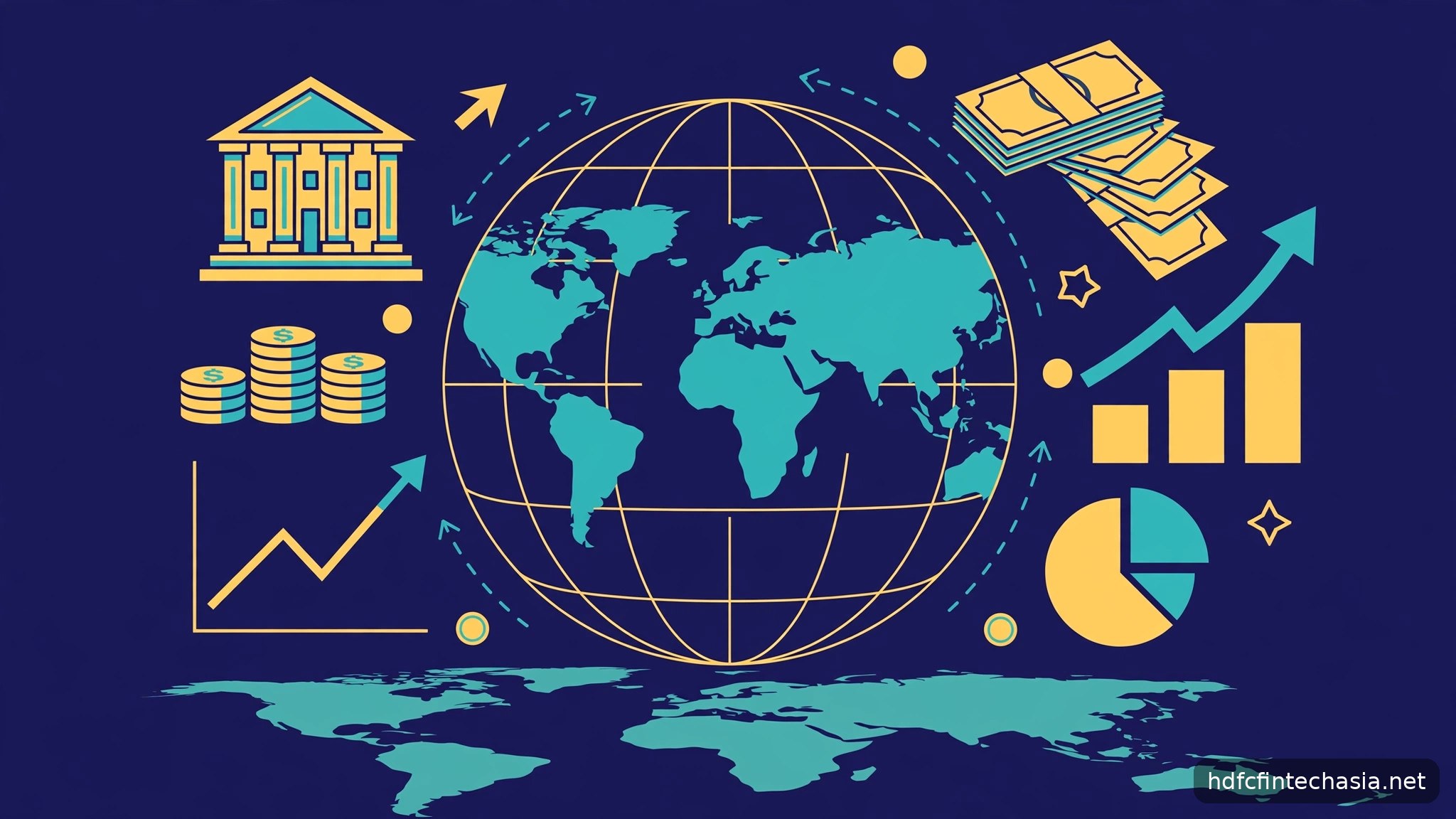
Welcome to ftasiaeconomy updates by fintechasia, your friendly guide to economy updates and technology news. Economics can sound distant, full of acronyms and charts, but it touches everyday choices: the price of groceries, the cost of a loan, whether jobs are plentiful, and how far a salary stretches. This article explains the big picture in plain language, and shows how technology is changing it.
Readers looking for fintechasia ftasiaeconomy tech updates want the same thing: timely context without jargon. We will look at growth, inflation, interest rates, jobs and trade, then connect them to the digital tools reshaping business, from payments and cloud software to automation and data. No single indicator tells the whole story, but together they form a useful map.
Our Hdfc FintechAsia Net home page gathers all eight coverage areas in one place. For more articles like this one, visit the Economy category. If you have a question or a topic suggestion, please use the Contact Us page.
The economy in five everyday ideas
Gross domestic product, or GDP, measures the value of goods and services produced in a country over a period. When GDP grows, businesses usually sell more and hire more; when it shrinks for a sustained period, economists call that a recession. Growth alone does not tell you who benefits, which is why other measures matter too.
Inflation is the general rise in prices over time. A little inflation is normal, but fast inflation erodes purchasing power, especially for people on fixed incomes. Central banks try to keep inflation near a target, often around two percent, mainly by adjusting interest rates. Higher rates make borrowing more expensive and saving more attractive, which tends to cool spending. Lower rates do the opposite, encouraging borrowing and investment.
Jobs, trade and confidence
Employment figures show how many people are working and how wages are changing. Strong job markets usually support spending, while weak ones make households cautious. Trade matters too: exports bring income, imports meet demand, and tariffs or supply disruptions can raise prices or delay goods. Consumer confidence surveys capture how people feel about the future, and feelings often influence spending before official data confirms a change.
How technology changes the economy
Technology lowers the cost of information and coordination. Digital payments let small sellers reach customers without expensive infrastructure. Cloud software lets a tiny team use tools once reserved for large firms. Automation changes tasks rather than simply removing jobs: routine work becomes easier to automate, while work involving judgement, creativity and personal care becomes more valuable. The challenge for workers and policymakers is helping people adapt, through training and portable benefits, rather than pretending change will stop.
Data is now a major economic input. Companies that understand customers, supply chains and risks in real time can make better decisions and waste less. That also raises questions about privacy, competition and security, which regulators are still learning to answer. Good economic reporting therefore covers not only growth rates, but also who controls data, who benefits from new platforms, and what happens when systems fail.
What to watch in the next updates
When you read the next economy update, check four things. First, is inflation moving toward or away from target? Second, are interest rates rising, falling or on hold, and why? Third, are jobs and wages keeping pace with prices? Fourth, is technology creating new opportunities, or concentrating power? If a report answers only one of these, it is incomplete. If it answers all four, you have a solid basis for understanding the headline.
Practical takeaways for readers
Economics is most useful when it changes a decision. Before a large purchase, check whether interest rates are expected to rise or fall. Before changing jobs, look at hiring trends in your industry, not only at one company’s promises. Before investing, remember that markets already reflect much public information, and that diversification and time horizon matter more than timing a single announcement. Small habits, such as comparing prices, building an emergency buffer, and reviewing subscriptions, often matter more than grand predictions.
For market-level detail, see FTAsiaTrading: Technology News and Stock Updates from FintechAsia. Economy news explains the environment; trading news shows how markets respond to it day by day. Together, they help you separate a genuine shift from a one-day reaction.
Frequently asked questions
What are ftasiaeconomy updates by fintechasia?
They are our economy and technology updates from FintechAsia: plain-language explanations of growth, prices, jobs, policy and the tech trends shaping them.
What causes inflation?
Inflation can come from strong demand, rising costs, supply disruptions, currency changes or a mix of these. That is why central banks look at many indicators rather than a single cause.
Why do interest rates matter to ordinary people?
Rates affect mortgages, loans, credit cards and savings returns. Even a small change can alter monthly payments and the incentive to spend or save.
Does technology always create jobs?
Technology creates some jobs and changes or removes others. The net effect depends on skills, training, regulation and how quickly new industries grow.
Where can I suggest an economy topic?
Please use the Contact Us page. Reader suggestions help us explain the topics that affect daily life most.
How often should I check economy news?
Checking once a week is enough for most readers. Daily headlines can create anxiety without adding useful information, while a weekly review lets you spot real trends in prices, jobs and interest rates without overreacting to a single report.
What is the difference between the economy and the stock market?
The economy measures production, jobs and spending in the real world, while the stock market reflects investor expectations about future company profits. Markets can rise while households struggle, and fall while the wider economy remains steady, so the two should never be confused.
Keep exploring: start from our home page, then read FintechAsia FTAsiaEconomy Tech Updates: the tech moves shaping the economy and FTAsiaTrading: technology news and stock updates.
One Comment