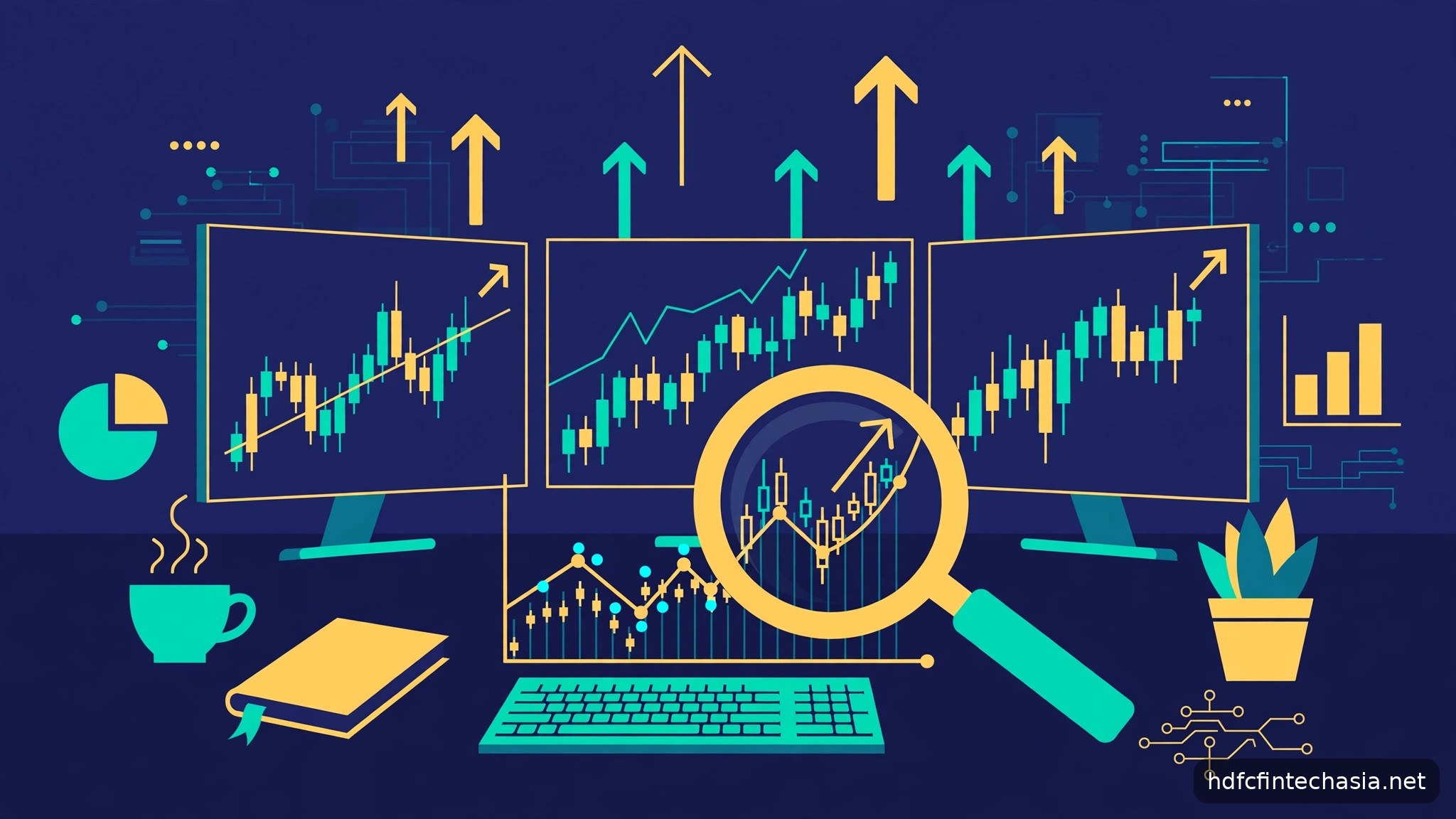
Welcome to ftasiatrading technology news by fintechasia, your guide to technology news and stock updates. Trading is often pictured as fast screens and flashing numbers, but at its heart it is simple: people buying and selling assets they believe will change in value. Technology has transformed who can trade, how quickly, and with what information, and this article explains both sides in plain language.
Readers searching for ftasiatrading stock news from fintechasia want timely, calm context, not tips. Markets move for many reasons, including earnings, interest rates, technology shifts and investor mood. Understanding those drivers helps you read a market update without mistaking a single day’s move for a long-term trend.
Our Hdfc FintechAsia Net home page gathers all eight coverage areas in one place. For more articles like this one, visit the Trading category. If you have a question or a topic suggestion, please use the Contact Us page.
How markets and technology meet
Stock markets connect companies that need capital with investors willing to provide it. When you buy a share, you own a small piece of a company. Its price reflects what investors collectively expect about future profits, risk and the wider economy. News, earnings reports and central bank decisions can all shift those expectations quickly.
Technology now sits at every step. Trading apps let retail investors buy fractional shares from a phone. Algorithms execute orders in milliseconds. Data feeds, charts and news alerts arrive instantly. That access is empowering, but it also encourages overtrading, reacting to every headline, and confusing activity with progress. Good trading coverage therefore separates signal from noise.
Common trading approaches, explained simply
Long-term investing means buying assets you believe will grow over years and holding them through ups and downs. Day trading means buying and selling within a single day, trying to profit from small price moves, which demands constant attention and carries high risk. Swing trading sits between the two, holding positions for days or weeks. Index investing spreads money across many companies at once, reducing the risk of any single company failing.
None of these approaches guarantees profit, and each suits a different temperament. A useful question is not which strategy is best in theory, but which one you can follow calmly, with money you can afford to risk, and without checking prices obsessively. Fees, taxes and emotions are real costs that often matter more than a clever strategy.
Terms that appear in every market update
A bull market describes rising prices and optimism, while a bear market describes falling prices and caution. Volatility measures how much prices swing. Liquidity describes how easily an asset can be bought or sold. A dividend is a payment some companies make to shareholders from profits. An index, such as a broad market index, tracks a group of stocks and gives a quick sense of overall market direction.
Risk, discipline and realistic expectations
Trading risk comes in several forms. Market risk is the chance prices fall generally. Company risk is the chance a specific business disappoints. Leverage, borrowing to trade larger amounts, magnifies both gains and losses and can wipe out capital quickly. A disciplined trader sets limits in advance: how much to risk on one trade, when to exit a losing position, and when to stop for the day.
It also helps to keep a simple record of trades and reasons. Over time, that record reveals patterns, such as chasing headlines or selling winners too early. Technology can help here too, with alerts, watchlists and portfolio tracking, but tools do not replace judgement. If a strategy cannot be explained in a sentence, it may be too complex for your current experience.
How to read a stock update like a pro
Start with the why, not the number. A five percent fall means little without context: was earnings weaker than expected, did interest rates move, or did the whole sector fall? Next, check the time frame. A weekly chart tells a different story from a five-year chart. Finally, separate facts from opinions. A report that a company beat earnings is a fact; a claim that its shares will double is a forecast, and forecasts are often wrong.
For money management beyond markets, see FTAsiaManagement: Money Tips, Economy News and Exchange Guides from FintechAsia. Trading skill and personal money skill are different strengths, and readers who build both tend to make calmer decisions in either area.
Frequently asked questions
What is ftasiatrading technology news by fintechasia?
It is our trading and technology coverage from FintechAsia: news about markets, trading tools and stock updates, explained in plain language for everyday readers.
Is trading the same as investing?
Trading usually means shorter-term buying and selling to profit from price moves, while investing usually means holding assets longer for growth or income. Both involve risk, but they demand different time, attention and temperament.
Can beginners trade safely?
Beginners can reduce risk by learning first, starting small, avoiding borrowed money, and diversifying. No approach removes risk entirely, and anyone promising guaranteed returns should be treated with suspicion.
Why do tech stocks move so much?
Technology companies are often valued on future growth, so changes in expectations, interest rates or competition can move their prices sharply, even when current profits are steady.
Where can I suggest a trading topic?
Please use the Contact Us page. Reader questions help us choose the market topics to explain next.
Should I follow trading tips online?
Be cautious with tips from social media, forums or messaging groups. Many tipsters profit from the attention they create, and some promote assets they already own. Check any tip against earnings, news and your own plan before acting, and never invest money you cannot afford to lose on someone else’s word alone.
Keep exploring: start from our home page, then read FTAsiaTrading Stock News from FintechAsia: how to read daily stock moves and FTAsiaStock Market Trends from FintechAsia: spotting trends that last.
One Comment