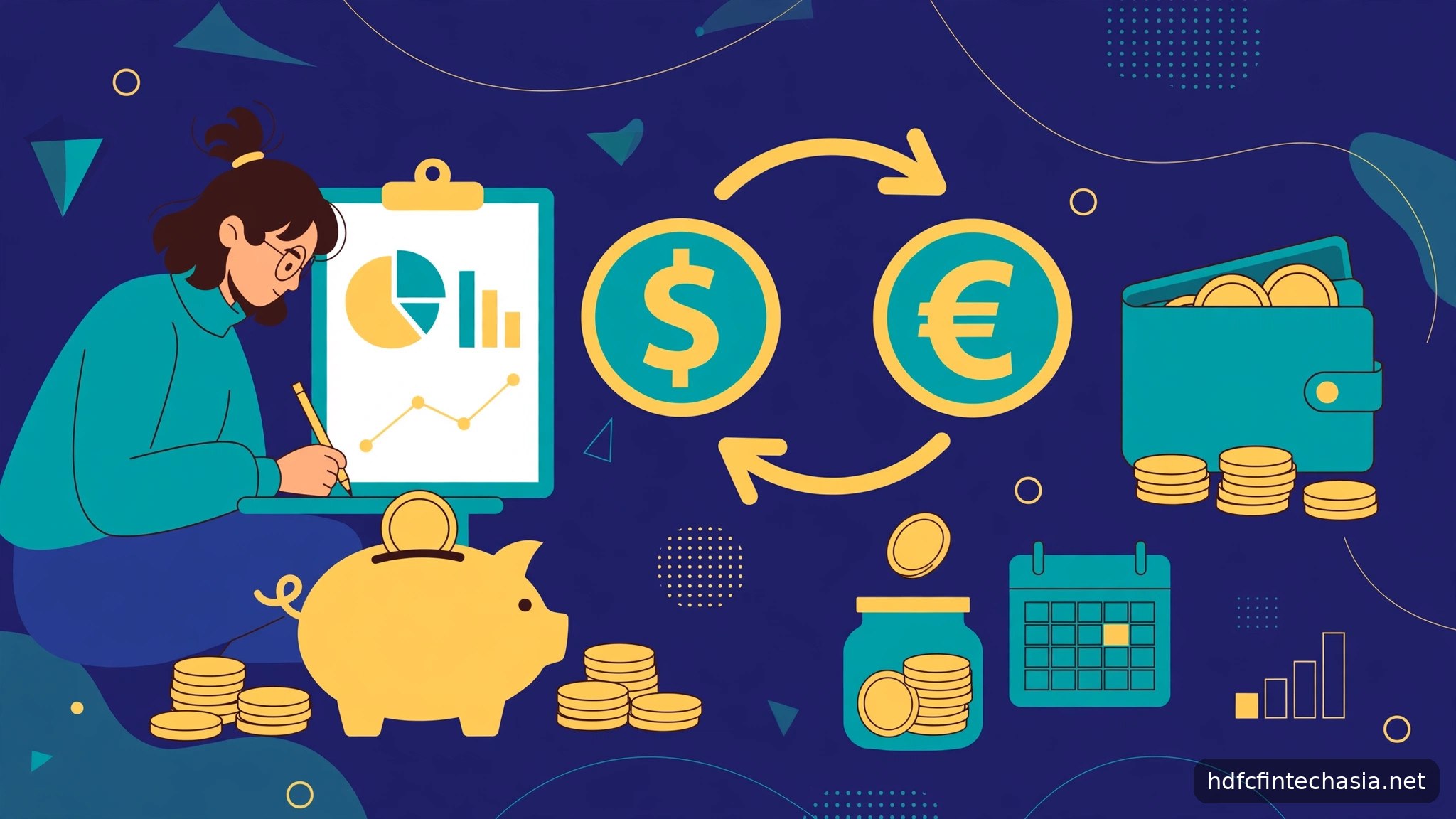
Welcome to fintechasia ftasiamanagement money tips, your friendly guide to handling money with confidence. Good money management is not about being perfect or wealthy. It is about making steady, sensible decisions: spending a little less than you earn, saving regularly, and understanding the news that affects your wallet. This article brings those ideas together in plain language, so you can build habits that last.
Many people feel that money advice is either too technical or too vague. One article says to invest aggressively, another says to avoid all risk, and a third says to follow the latest trend. The truth is quieter. The best plan is the one you understand and can keep following when life gets busy. That is why we focus on basics first: a budget you can actually use, an emergency fund, clear goals, and simple ways to check progress each month.
For broader context, ftasiamanagement economy news from fintechasia is part of how we connect everyday money choices to bigger events. Interest rates, prices and jobs all shape what households can afford. You do not need to follow every headline, but knowing the direction of travel helps you decide whether to lock in a rate, delay a large purchase, or build a bigger safety buffer. For all eight coverage areas, visit our Hdfc FintechAsia Net home page.
Start with a budget that fits real life
A budget is simply a plan for your money before the month begins. Start by listing what comes in, then what must go out: housing, food, transport, bills and debt payments. Next, set aside money for savings before you spend on extras. Even a small automatic transfer on payday works better than a large promise you never keep. Review the plan once a month and adjust it without guilt. Life changes, and a good budget changes with it.
The popular 50/30/20 guide can help as a starting point: roughly half of take-home pay for needs, around thirty percent for wants, and twenty percent for savings and debt repayment. Treat those numbers as flexible, not as rules. Rent in a big city may push needs higher, while a side income may let you save more. What matters is that your spending has a direction and your savings happen on purpose, not only when something is left over.
Track spending for two weeks if you have never done it. Most people are surprised by small, repeated costs: delivery fees, subscriptions they forgot, or daily snacks that add up. You do not need to cut everything enjoyable. Choose one or two changes that save a meaningful amount and keep the rest. Sustainable money habits feel manageable, not punishing.
Build savings, then tackle debt in order
An emergency fund comes before most investing. Aim first for one month of essential costs, then build toward three to six months if your income is irregular. Keep this money somewhere safe and easy to reach, separate from everyday spending. It is not a failure to use it when a real emergency arrives. That is exactly what it is for. Rebuild it slowly afterward, without panic.
Debt needs a clear order too. High-interest debt, such as credit card balances, usually costs far more than savings earn, so paying it down often beats investing extra cash. Two popular methods work well. The avalanche method pays the highest interest rate first and saves the most money. The snowball method pays the smallest balance first and gives quick wins that keep motivation high. Choose the method you will actually follow, and avoid taking on new debt while you work through the old.
For larger money decisions, read our Management category for more guides like this one. If you are thinking about markets as well as everyday money, see FTAsiaFinance: Business Trends from FintechAsia. Business trends and personal budgets are connected: strong hiring can support income, while rising prices can squeeze it. Seeing both sides helps you plan calmly.
Understanding exchange rates without jargon
Exchange rates matter whenever you travel, shop abroad, send money to family, or buy imported goods. A currency exchange rate simply tells you how much of one currency you get for another. If your home currency weakens, foreign holidays and imports cost more. If it strengthens, those same things cost less, but exporters may find it harder to sell abroad. Small moves are normal, but large moves can change household budgets quickly.
When you need to exchange money, compare the total cost, not just the advertised rate. Banks, bureaus and apps may add fees or use a less favourable rate. For a plain-language walkthrough, ftasiamanagement exchange by fintechasia is our guide to how exchange works, what affects rates, and how to avoid common traps. Avoid exchanging large sums at airports when you can plan ahead, and be cautious about anyone promising a guaranteed rate or a secret currency trick.
Set goals and make investing boring
Goals turn vague wishes into plans. Instead of saying you want to save more, name an amount, a purpose and a date: for example, saving for a deposit, a course, or a holiday in twelve months. Break the total into a monthly amount and automate it. When a goal is visible and automatic, you are less likely to spend the money twice.
Investing, when you are ready, should be boring rather than exciting. Diversified, low-cost funds spread risk across many companies, while chasing hot tips concentrates it. Invest only money you will not need soon, keep fees low, and expect ups and downs. Time in the market usually matters more than perfect timing, and regular investing can smooth out some of the bumps. If an investment sounds too good to be true, it almost certainly is.
Frequently asked questions
What are fintechasia ftasiamanagement money tips?
They are practical money tips from FintechAsia: budgeting, saving, debt, goals and exchange basics explained in plain language, without jargon or hype.
How much should I save each month?
Start with what you can sustain, even a small amount, and increase it gradually. A common guide is twenty percent of take-home pay for savings and debt repayment, but any regular amount beats none.
Should I pay off debt or save first?
Build a small emergency buffer first, then focus on high-interest debt, then grow savings further. That order protects you from new debt when surprises happen.
What affects exchange rates?
Interest rates, inflation, trade, jobs and market confidence all play a part. Rates move daily, so compare total costs and avoid rushing large exchanges on a single volatile day when you can plan ahead.
Where can I suggest a money topic?
Please use the Contact Us page. Reader questions help us choose the money guides to write next.
Keep exploring: start from our home page, then read FTAsiaManagement Economy News from FintechAsia: what smart managers watch and FTAsiaManagement Exchange by FintechAsia: currency exchange explained simply.

One Comment