When crypto prices jump, everyone suddenly has an opinion. Some say it is the future of money, others say it is a scam, and most people in between just want a clear answer. That is where crypto facto fintechasia net comes in: a calm, fact-first look at what crypto is, what it is not, and how to stay safe while learning about it.
This guide separates myths from facts. It explains the basics in plain language, shows the real risks, and gives you simple safety checks to use before you trust any coin, app or influencer. If you read one crypto guide this month, make it this one, and start with our friendly home base, crypto facto fintechasia net, for the wider picture.
What Is Crypto Facto?
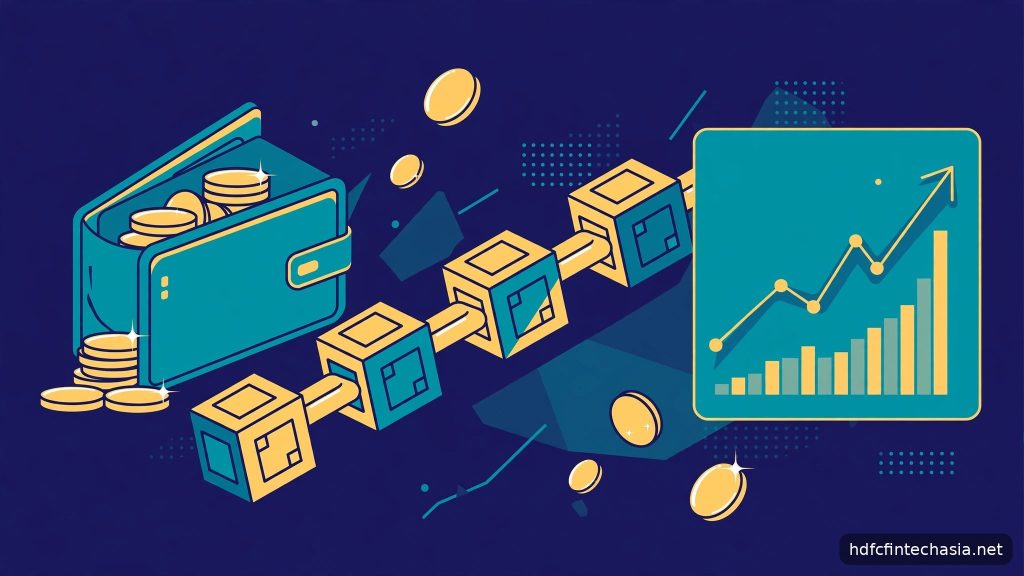
Crypto facto means the facts about crypto, stripped of hype. A cryptocurrency is a digital asset that uses cryptography to secure transactions and a shared ledger, usually a blockchain, to record them. No single bank controls most major networks, which is both their appeal and their risk.
Think of a blockchain as a public notebook that many computers keep at once. When a transaction is added, everyone with the notebook can check it. That transparency is real, but it does not make a coin valuable on its own. Value comes from what people will pay, what the network can do, and how much risk buyers accept.
Myth 1: Crypto Is Anonymous and Untraceable
Many people believe crypto hides everything. In reality, most major blockchains are pseudonymous, not anonymous. Transactions are visible on a public ledger, and exchanges often require identity checks. Once a wallet is linked to a person, its history can be traced.
That matters for safety. Scammers love the myth of invisibility because it makes victims feel they cannot recover funds. The truth is the opposite: on a public chain, a scam transaction is visible forever, even if getting money back is very hard. Never assume a payment cannot be followed.
Myth 2: Every New Coin Is the Next Big Thing
New coins launch every day, and social media makes each one sound urgent. In practice, most new tokens fail, lose most of their value, or were never meant to last. A flashy website, a famous-sounding name and a rising chart do not prove a project is sound.
Before you take any coin seriously, ask four questions. Who built it, and are they public? What does it actually do that existing tools cannot? Who holds most of the supply? And is there a working product, or only promises? If the answers are vague, walk away.
Myth 3: Guaranteed Returns Exist
If anyone promises guaranteed crypto returns, treat that as a warning sign, not an opportunity. Markets move, projects fail, and no honest service can promise profits. Guaranteed-return schemes are one of the most common ways beginners lose money.
A safer mindset is to ask what could go wrong before asking what you could gain. What if the price halves? What if the platform freezes withdrawals? What if you lose access to your wallet? If those answers scare you, the amount at risk is too large. For the market basics behind these moves, read our original crypto facts, market basics and trends guide.
Five Safety Checks Before You Trust Anything Crypto
- Check the source: is the claim from the official project, a regulator or a reputable news outlet, or just a social media account?
- Check the wallet address: never send funds to an address shared in a direct message or a comment section.
- Check the app: download wallets and exchanges only from official stores and official websites.
- Check the urgency: pressure to act now is a classic scam tactic. Real opportunities wait for a second look.
- Check your backup: write down recovery phrases offline, never share them, and never photograph them.
How Volatility Really Works
Crypto prices swing because supply is limited, news travels fast, and many traders use borrowed money. A single large sale can move a thin market sharply. That is why a coin can rise 20 percent in a day and fall just as fast.
Volatility is not proof of fraud, but it is proof of risk. Treat crypto like a high-risk asset, not a savings account. Only use money you can afford to lose, keep position sizes small, and avoid borrowing to buy. If a price move changes your mood, your exposure is probably too big. The telecom networks that carry these trades matter too, so see how telecom networks support digital payments in our Telekom coverage.
Frequently Asked Questions
What is crypto facto fintechasia net?
Crypto facto fintechasia net is our fact-first crypto coverage: clear explanations, myth checks and safety guidance, without hype or guaranteed-return promises.
Is crypto a safe investment?
Crypto is high-risk and volatile. Prices can fall sharply, platforms can fail, and scams are common. Treat it as a learning topic first and an investment only with money you can afford to lose.
How do I spot a crypto scam?
Watch for guaranteed returns, pressure to act quickly, requests for your recovery phrase, and impersonators of famous people or exchanges. Any one of these is enough to stop.
Should beginners buy crypto at all?
Many beginners are better off learning first: read the basics, try small amounts only if you understand the risks, and keep most of your money in safer places.